
致力成为最权威、最值得信赖的专业环保公司
做优质产品,创上佳环境

服务热线电话:
025-84846060
BOHN ENVIRONMENTAL
|
3 技术支持
Technical support
4 典型案例
TYPICAL CASES
2 技术开发及工程售后
Company profile
i
5 工程业绩
PROJECT PERFORMANCE
1 企业简介
Company profile
09/15
2023
我们的篮球预赛于2023年9月11日18:00正式拉开帷幕,预赛的参赛队伍是博恩一队和博恩二队。每队队员通过进篮记分的方式竞争晋级决赛的机会。预赛选出投篮比分最高的前5名队员将成为“博恩环境队”,并晋级决赛。傅总已经开球,比赛正式开始!博恩一队和博恩二队的球员们迅速进入状态,展现出了极高的竞技水平和团队合作精神。在激烈的比赛中,双方你来我往,互不相让,场上的气氛越来越紧张。 ...
07/18
2023
2023年上半年度工作总结会议圆满闭幕会议精神——“攻坚克难,砥砺前行” 2023年7月18日,江苏博恩召开2023年上半年度工作总结会议,公司管理层及各部门员工代表参加会议。本次会议由综合管理部林清越主持。工作会议是以半年度为时间单位,对工作进行一次全面系统的检查、分析、研究。总结是对已经做过的工作进行理性思考,并分析工作不足。一、总经理作上半年度工作报告暨下半年工作规划 ...
06/16
2023
热烈祝贺博恩环境生产运营中心乔迁之喜今天阳光灿烂、嘉宾荟萃、彩带高扬,这是一个吉祥日子,这是一个喜庆的时刻。在这充满喜庆的日子里,我们欢聚在一起,共同庆祝见证——买球在线平台生产基地开工剪彩仪式。主持人致辞生产运营中心总经理吴总致辞博恩环境生产基地的建设是博恩公司发展壮大的重要举措,新工厂的启用,标志着我们向着市场和客户更高效、更优质的发展迈出了坚实的一步。同时,这也是博...
04/17
2023
献出爱心 所遇皆是希望有一种温暖,不需要语言就能传递;有一种感恩不求惊天动地,却足以令人感动那就是传递正能量不啻微芒,造炬成阳。 为进一步加强企业文化,提升凝聚力与向心力,4月15号下午我司来到了南京市社会儿童福利院给小朋友送去关怀与温暖,传递爱的接力棒! 在工作人员的指引下,我们把捐赠的物品送到了指定的地方。工作人员仔细的记录着我们赠送的每一件物品并开具物资收据。 ...
买球在线平台(中国)官网 企业文化 集团荣誉 视频专区 |
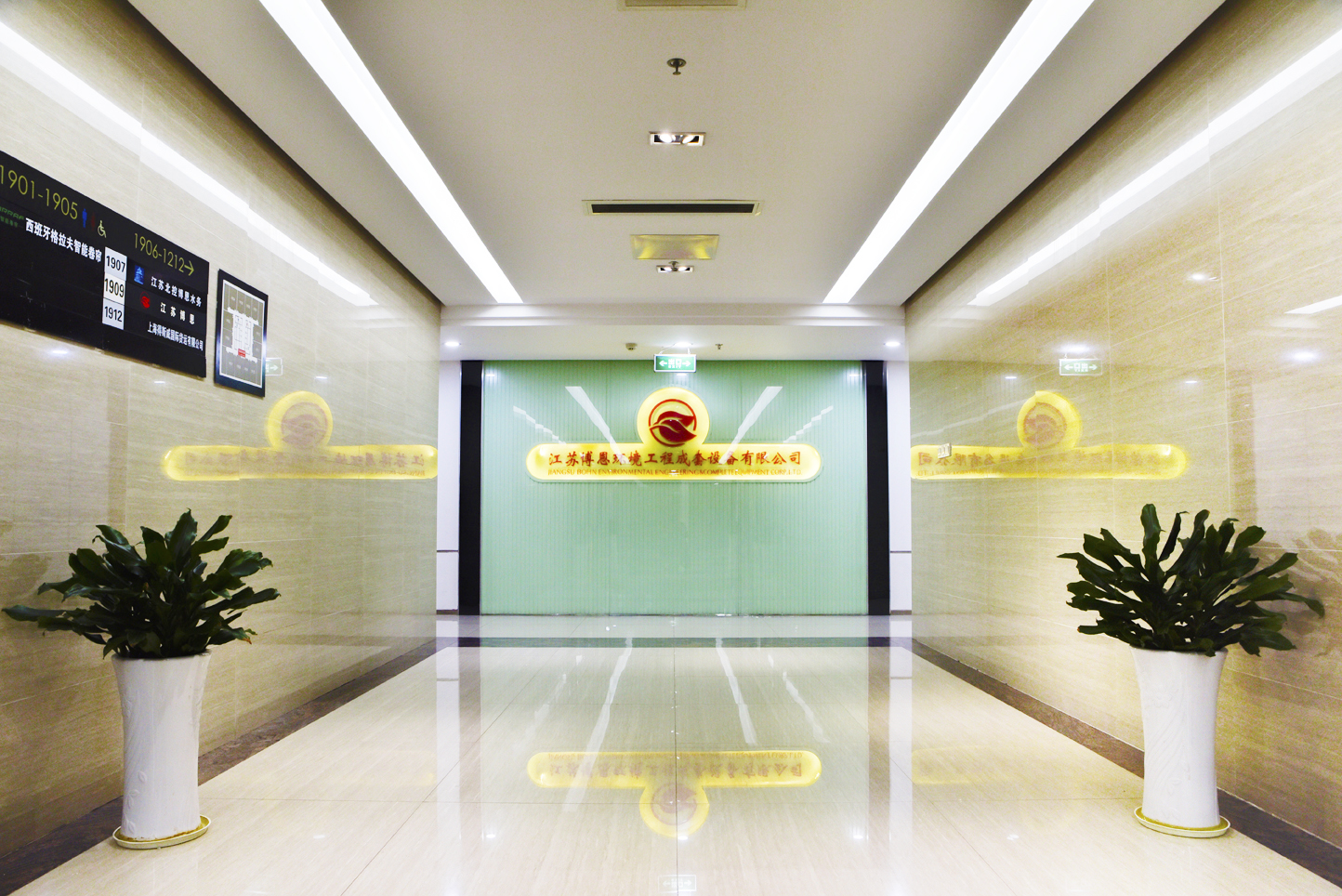 买球在线平台成立于2009年,公司坐落于历史文化名都江苏省南京市。博恩环境是专业化的环保高科技企业,公司主要经营范围包括环保设备制造、环境工程项目总承包、环保设备代理及环保项目的咨询服务等。近年来,得益于国家环境保护的有利政策,同时积极吸取国外先进环保技术及经验,促进了博恩环境在环保领域的快速发展。 |
|
|
1
技术开发与科技项目
● 公司持续进行有机废气治理及恶臭废气治理等领域技术开发工作。
● 依托公司自主知识产权发明专利,对生物土壤除臭技术进行持续开发和应用研究工作,已取生物土壤除臭相关实用新型专利授权20余项,并承接了多项科技研发项目。
工程技术研究中心
2
● 公司拥有1000多平方米的研究开发中心,拥有各类研发仪器及设备。根据环保业发展趋势,持续进行技术开发及科技成果转化工作
● 建立和完善工程化和产业化的标准、规范与体系,承建南京市科技局 “南京市VOCs及异味治理工程技术研究中心”和南京市经信委“南京市异味治理工程研究中心”。
3
售前/售中/售后 节节科学管控
前期研发,中期安装,运行和维护指导
● 提供相关设备供应、工程安装及现场指导服务
● 专人跟进,24小时服务待命
● 组件若有问题无条件退换,重新计算质保期
核心技术 环境检测 设计研究 生产制造 |
生物土壤法废气除臭系统工艺
公司核心技术围绕“生物土壤法废气除臭系统”展开,拥有相关核心发明专利两项,实用新型专利若干项。
|
|
|
|
环境检测
博恩环境控股子公司江苏博恩环保科技有限公司,拥有CMA认证及CNAS认证,从事环保检测领域的水质、环境空气与工业废气、噪声、固体废弃物、土壤等环境检测工作,为客户提供可靠的环境检测数据。
|
|
|
|
|
|
|
|
|
|
|
|
|
|
|
|
|
|
|
|
设计研究
江苏河加海环境设计研究院是买球在线平台控股的子公司。设计院同河海大学等国内外高校及科研院所进行持续合作,专业体系完整、专业人才聚集、科技创新领先、发展理念宏远,现有经验丰富的专业技术人员30余人,集设计、总承包和运营为一体,能够为城市供水、市政污水、工业废水、农村环境整治、市政管网、水环境治理等项目提供科学全面的“一站式”技术服务与保障。业务现已覆盖江苏各市县及郑州、广州等省外城市。
|
|
|
|
|
|
|
|
|
|
生产制造
博恩环境拥有集研发、设计、生产、安装为一体的玻璃钢产品生产制造加工中心。主要生产各种规格的玻璃钢箱体、玻璃钢塔体、玻璃钢缠绕管、玻璃钢盖板及与之配套的各种配件,共12大系列,30多个品种,并且可根据用户的要求生产各种非标玻璃钢产品。
博恩环境生产制造加工中心占地约20000㎡,厂房内设加工车间、装配车间、手糊车间、缠绕车间、打磨车间、喷胶车间等,各类玻璃钢生产设备齐全,具有先进的生产加工工艺及完善的产品质量管理流程。
|
|
|
|
|
|
|
|
|
| ||||||||||||||||||||||||||||||||||||||||||||||||||||||||||
|
|
|
|
|
|
|
|
|
|
|
|
|
|
|
|
|
|
|
|
|
|
|
|
|
|
|
|
|
|
|
|
|
|
|
|
|
|
|
|
|
|
|
|
|
|
|
|
|
|